The Afternoon We Talked a Customer Out of Spending Money — And Why We'd Do It Again

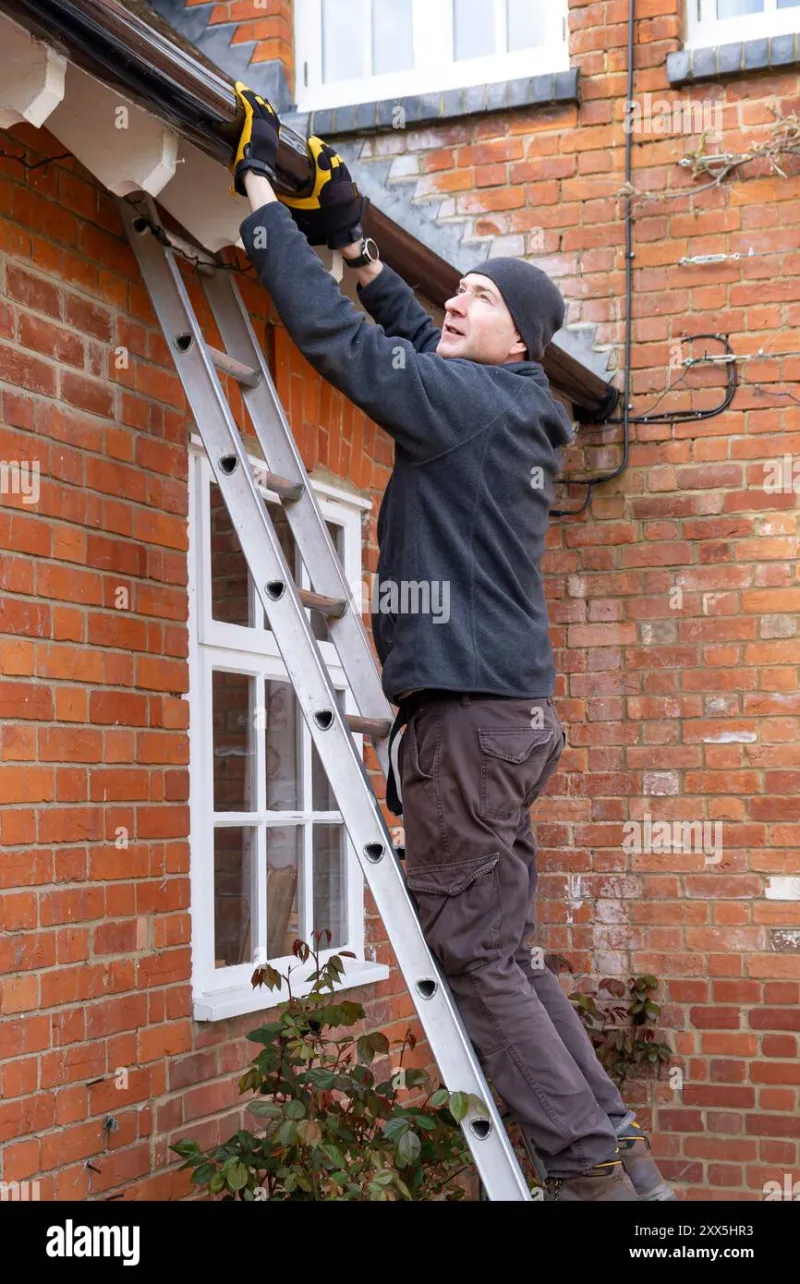
Photo: tradesman climbing ladder cleaning house gutters uk, via c8.alamy.com
It was a Tuesday in April when the phone rang at our Derby yard. A woman named Margaret — not her real name, but close enough — had been quoted £2,400 by another firm to replace all the guttering on her semi. She wanted a second opinion, but honestly, she was halfway to signing on the dotted line.
We told her we'd pop round and have a look. No charge, no obligation. Twenty minutes up a ladder later, we were climbing back down with some slightly awkward news: her gutters didn't need replacing. They needed a clean, a couple of new brackets, and one short section of union refitted. Call it £180 with everything included.
The Awkward Part of Being Honest
Here's the thing nobody tells you about running a small trade business: turning down work feels rubbish in the moment. There's a van to fuel, insurance to pay, and a lad who'd quite like a few more hours on the clock. Saying "actually, you don't need us" goes against every instinct the job trains into you.
But we turned her down anyway. Not because we're saints — because it's the only way to run a business you can look at in the mirror. If we'd quoted her £2,400 for a replacement she didn't need, we'd have been one more reason people dread ringing tradesmen.
Why "No Fuss" Has to Mean No Upselling
We put "no fuss" on the van and the website, and we meant it. But a slogan's worthless if it doesn't hold up when there's money on the table. To us, no fuss means three things:
- We tell you what's actually wrong, not what generates the biggest invoice
- We show you the evidence — photos from the ladder, before and after, so you're not taking our word on trust
- We'd rather do a small job well than a big job badly, because the small job is where repeat business comes from
That last point is the one people underestimate. Margaret's £180 job turned into an annual cleaning contract, a downpipe repair the following winter, and two recommendations to her neighbours on the same close. The £2,400 we didn't take has been repaid several times over — and more importantly, nobody in her street thinks we're chancers.
The Wider Problem in the Trades
We're not going to pretend we're the only honest firm in Britain. Most of the tradespeople we know are decent sorts doing a fair day's work. But there's a real pattern of guttering being oversold, precisely because it's out of sight and most homeowners can't verify what's up there.
Replacement is the go-to upsell because it's easy to justify: "they're old, they're tired, better safe than sorry." Sometimes that's true. Plastic guttering has a lifespan, and cast iron genuinely does fail eventually. But a lot of what gets called "beyond repair" is a joint that needs resealing or a run that's simply never been cleaned out since the house was built.
Our rule of thumb is simple: if cleaning and repair will genuinely solve the problem, that's what we quote for. Replacement comes up when the evidence says so — cracked brackets throughout, splits along the runs, or plastic that's gone brittle with age — not when it makes the invoice look healthier.
What You Can Take From This
You don't need to take our word for any of this. If a firm quotes you a full replacement, ask them a few questions before signing anything:
- Can you show me photos of the damage? Any decent firm will have taken some from the ladder.
- What would a repair cost instead? If they won't quote for one, ask why.
- How old is the existing guttering? Plastic under twenty years old rarely needs a full swap.
- Can I get a second opinion? A firm confident in its diagnosis won't mind you checking.
The Bit We're Actually Proud Of
Margaret sent us a card at Christmas. That sounds like the sort of thing people make up for websites, but it happened, and it sits in the office where the lads can see it. It cost us a job's worth of revenue that April afternoon. What it bought was harder to price: a customer who'll ring us first, every time, for as long as she's in that house.
That's the whole argument, really. In a trade where reputation travels by word of mouth down the street and through the local Facebook group, trust isn't a nice-to-have — it's the business model. A firm that upsells you once gets paid once. A firm that tells you the truth gets paid for twenty years.
We know which one we'd rather be.