The Surveyor's Been Up the Ladder Before You've Even Picked an Estate Agent

Photo: NASA Jet Propulsion Laboratory / Space Dynamics Laboratory/Allison Bills, Public domain, via Wikimedia Commons
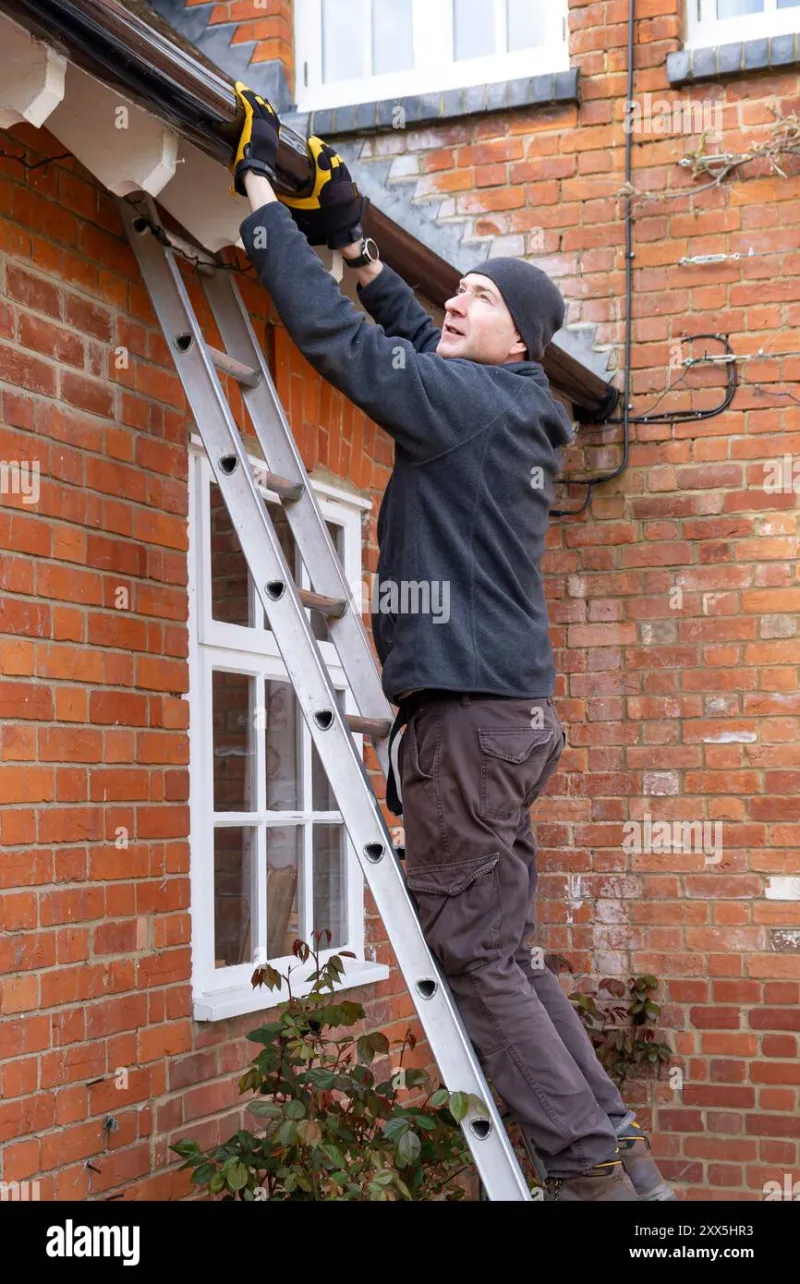
There's a moment in most house sales that sellers never see. The buyer's surveyor pulls up outside, has a good look at the roofline before they've even got out of the car, and makes a note. Gutters are one of the first things a surveyor assesses, and one of the easiest things for them to flag — because from ground level, a sagging run or a green-streaked joint tells a story you can't hide.
We've cleaned gutters on hundreds of homes across the UK ahead of a sale, and the pattern is always the same: a bit of maintenance before the 'For Sale' board goes up costs a fraction of what it costs once a survey report lands on the buyer's desk.
What a Surveyor Actually Looks At
You don't need to be a chartered surveyor to understand the checklist — it's mostly common sense applied with a professional eye:
- Alignment and falls. Guttering should slope gently towards the downpipe outlets. A run that's level or dips in the middle holds water, and standing water is visible staining and moss growth that gives it away.
- Joints and seals. Leaking union joints leave dark streaks down the fascia or brickwork. On a plastic system, a failed rubber seal is a five-minute fix — but on paper, it reads as 'defective rainwater goods'.
- Sagging brackets. A bracket every couple of metres holds the run true. Missing or broken ones let the gutter bow under the weight of wet debris.
- Downpipes and hoppers. Blockages, cracked shoe outlets and overflowing hopper heads all get a mention.
- Signs of longer-term damage. Damp patches below the damp course, stained render, rotting fascia boards — these suggest the gutters haven't been doing their job for a while.
A HomeBuyer Report or a full Building Survey will list all of this under condition ratings. Anything marked as a defect becomes ammunition in the negotiation, whether or not it's actually serious.
How Gutters Become a Bargaining Chip
Here's the thing about survey findings: buyers rarely read 'leaking gutter joint' as a £40 fix. They read it as 'there might be damp'. And once damp enters the conversation, the price conversation starts.
A couple of examples from jobs we've been called to afterwards:
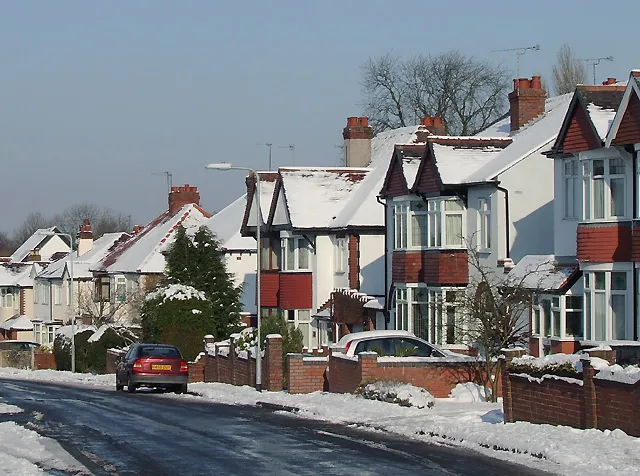
- A semi in the West Midlands had two weeping joints and a downpipe blocked with moss. The buyer's survey flagged 'rainwater system in poor condition with evidence of water penetration to rear elevation'. The renegotiation? £2,500 off. The repairs, quoted properly, came to about £180.
- A bungalow with a sagging rear run — one broken bracket and a decade of moss — attracted a condition rating 3 (urgent). The sale stalled for six weeks while quotes were gathered and the buyer's solicitor asked questions. It eventually completed, but only after the seller paid for repairs and accepted a further reduction.
In both cases, the work itself was trivial. The cost was in the timing — discovered at the worst possible moment, in front of a buyer with leverage.
Sort It Before the Survey, Not After
A pre-sale gutter check is one of the highest-return jobs you can do before marketing a property. For a typical three-bed semi, expect:
- A full clean-out to clear moss, silt and the tennis-ball-sized clump of leaves you didn't know about
- Re-sealing or replacing joints that show staining
- Bracket checks to remove any dips and sags
- A downpipe flush so water actually leaves the system
Most of this is a single visit. And it gives you something genuinely useful: a receipt and a date. If a buyer's surveyor asks whether the gutters have been maintained, you can say yes, and prove it. That shifts the conversation from 'what's wrong with this house?' to 'the vendor's looked after it'.
A Word on What Not to Worry About
Surveyors aren't looking for perfection. Light weathering, a bit of lichen, older plastic that's faded in the sun — none of that gets flagged. What gets flagged is water going somewhere it shouldn't. If your gutters run clear in a downpour and there's no staining on the walls, you're most of the way there.
If you're not sure, test it yourself. Next decent bit of rain, stand at the corner of the house and watch. Water should disappear into the downpipe without dribbling down the outside. If it doesn't, deal with it now — while it's a maintenance job, not a survey finding.
We're happy to do a pre-sale inspection and give you a straight answer, even if the answer is 'you're fine'. Clear gutters, no fuss — and no awkward conversations at the negotiation table.