Cast Iron, Plastic or Steel: Picking Guttering Your House Will Thank You For
We spend our days up ladders looking at guttering, so we've developed pretty strong opinions on the stuff. And the question we get asked most often, usually while we're halfway down a downpipe with a handful of soggy leaves, is: "If I need new guttering, what should I go for?"
Fair question. Get it wrong and you'll be back up that ladder sooner than you'd like. So here's the honest rundown of the three materials you'll find on British homes, and when each one makes sense.
Plastic (uPVC): The Sensible Default
Let's start with what's on most houses in the country. uPVC guttering took over Britain for good reason — it's cheap, it's light, it doesn't rust, and any decent handyman can fit it in an afternoon.
The good: A full run of plastic guttering for a typical semi might set you back a few hundred quid in materials. It clicks together like Lego. It won't corrode, and modern UV-stabilised versions hold their colour far better than the brittle beige stuff your nan had in the eighties.
The not-so-good: Plastic expands and contracts with temperature swings, which is why joints work loose over time. It can crack if a ladder's leaned against it carelessly (we've seen it happen — sometimes by us, in our younger days). And it sags if the brackets aren't spaced properly, which is exactly why half the gutters we're called out to are drooping like tired washing lines.
Lifespan: 20-25 years if it's decent quality and fitted well. Budget stuff might give you 10.
Best for: Modern homes, rental properties, anyone watching the pennies. If your house was built after 1970, plastic is probably what's on it already, and there's often no good reason to change.
Cast Iron: The Period Property's Best Mate
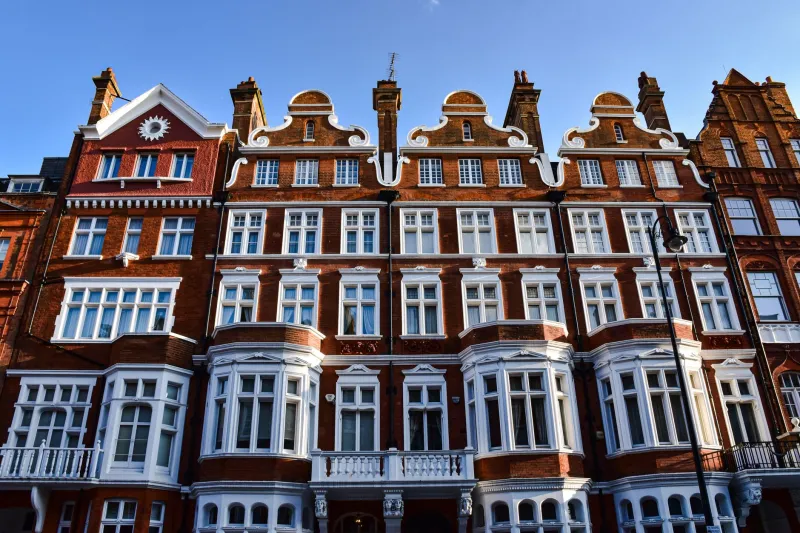
If you've got a Victorian terrace or an Edwardian semi, there's a fair chance you've got cast iron up there — or at least the remains of it.
The good: Nothing looks right on a period property quite like it. Conservation officers know it, buyers know it, and frankly, we know it. It's also tremendously durable — some of the cast iron we work on is over a century old and still going. It's rigid, it doesn't rattle in the wind, and it adds genuine value to a heritage home.
The not-so-good: It's heavy, it's expensive, and it rusts if you ignore it. Fitting requires proper equipment and proper people. A full cast iron replacement can run into the thousands, and waiting times for matching profiles can test your patience.
Lifespan: 50-100 years — but only with regular painting and maintenance. Left unpainted, rust will have its wicked way.
Best for: Listed buildings, conservation areas, and any pre-1920s home where authenticity matters. If you're lucky enough to have good cast iron already, repairing and repainting is almost always cheaper than replacing. We've rescued plenty of runs that owners assumed were beyond saving.
Steel (Usually Galvanised or Coated): The Quiet Middle Ground
Steel guttering is the one people forget about, which is a shame because it's a genuinely good shout in the right circumstances.
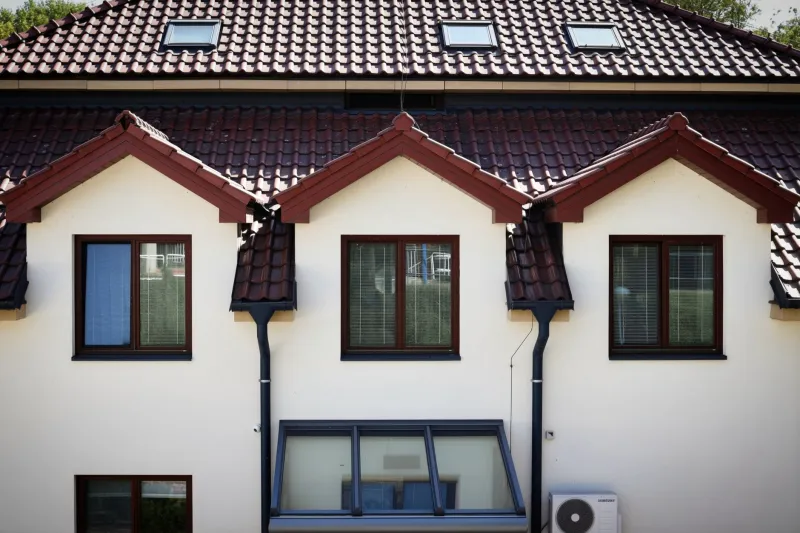
The good: Stronger than plastic, far lighter and cheaper than cast iron. Modern coated steel — often zinc-magnesium alloy systems — resists corrosion brilliantly and handles heavy rain and snow loads without breaking a sweat. It's popular on Scandinavian houses for a reason.
The not-so-good: Fewer colours and profiles on the shelf, fewer fitters who know it well, and if the coating gets scratched through to bare metal, rust can creep in. It can also be noisier in a downpour — some people love that, some don't.
Lifespan: 30-50 years for decent coated systems.
Best for: Homes in exposed spots, barn conversions, contemporary builds, and anyone who wants more muscle than plastic without the cast iron price tag.
Repair or Replace? The Question We Get Paid to Answer
Here's the honest bit. A lot of guttering that gets replaced doesn't need replacing. A leaking joint is a £0 fix if you're handy with sealant, and a droopy run usually just needs brackets re-spacing — a job that takes us an hour and costs far less than a new system.
Our rule of thumb:
- One or two problem spots? Repair. Always.
- Plastic that's brittle, faded and cracking in multiple places? Replace — and upgrade the brackets while you're at it.
- Cast iron with surface rust but solid structure? Sand, prime and repaint. It'll see you right for another decade.
- Cast iron that's flaking apart at the seams? Time to talk replacement, and consider aluminium as a lookalike alternative that costs less.
Our Verdict
Match the material to the house, not the catalogue. Victorian terrace? Respect the iron. Nineties estate? Good quality plastic, fitted properly. Exposed hillside cottage? Have a look at steel.
And whatever you've got up there, clean it out once a year. The cheapest guttering system in the world will outlast the poshest one if it's actually looked after — and that's a promise we'd put our name to.
Need a second opinion on whether yours is worth saving? Give us a shout. We'll tell you straight.