October Is Coming: A Pre-Winter Gutter Checklist for British Homes

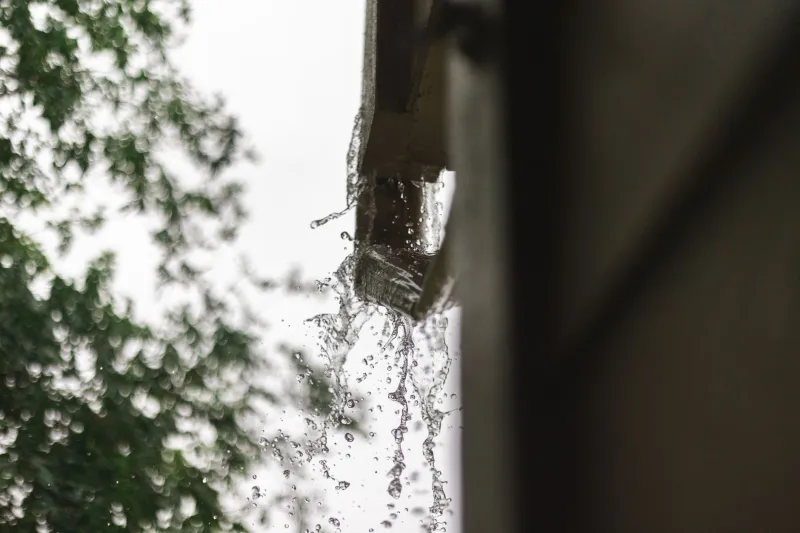
Photo by Photo by Richard Bell on Unsplash on Unsplash
There's a moment every British autumn — usually mid-October, usually just as the barometer drops — when the phones start ringing off the hook. Leaves down, rain up, and suddenly half the street's gutters are giving up at once.
It doesn't have to be that way. A bit of preparation in late September means you can watch the storms roll in from the comfort of the sofa. Here's our honest, no-nonsense checklist.
Why Autumn Hits UK Gutters So Hard
Britain's mature street trees — the sycamores, planes, and oaks that line our avenues and back gardens — shed an enormous volume of leaf matter between late September and November. Add our famously reliable autumn rain and you get the perfect storm: wet leaves pack down into a dense, soggy plug that dry leaves never form.
Then comes the kicker. The first hard frosts of November or December arrive, any trapped water expands, and joints that were already struggling start to crack and split. That's how a leaf problem in October becomes a leak problem by Christmas.
Your Pre-Winter Gutter Checklist
You don't need to be up a ladder for most of this — a pair of eyes and a decent hour of dry weather will do.
1. Do a rain test. Next proper downpour, grab a brolly and watch your gutters from outside. Water should channel smoothly to the downpipe. Overflowing at the middle? That's a blockage. Trickling from a joint? That's a seal gone.
2. Check the downpipes are actually draining. Look at the shoe at the bottom — is water gushing out freely, or dribbling? A blocked downpipe shoe is one of the most common and most overlooked faults we see.
3. Look for the sag. Stand back and sight along the gutter run. Any dips or droops mean standing water, and standing water plus frost equals split joints.
4. Clear the ground level first. Sounds backwards, but clearing drains, gullies, and the area below downpipes means that when you do clear the gutters, everything can flow away properly.
5. Mind the roof, not just the gutter. Mossy roof tiles are next year's gutter blockage. If your roof looks like a green carpet, that moss is coming down eventually — better to plan for it.
6. Check the brackets and fascia. From ground level, look for screws pulling out, fascia boards that look rotten or flaky, and any sections sitting proud of the roofline.
7. Trim what you can reach. Overhanging branches from that neighbour's sycamore won't get any shorter. A bit of judicious pruning now saves weeks of leaf-fall later.
When to Call It a Job for the Professionals
Look, we're a gutter company — of course we'd say book a professional. But genuinely: anything above a single-storey extension, anything near power lines, and anything involving a wobbly ladder on soft autumn ground is not worth the risk. Falls from height are still one of the most common household accidents in the UK.
A professional autumn clean costs a fraction of what one winter leak can, and it takes us a couple of hours. We'll clear the lot, flush the downpipes, check every joint, and flag anything that needs watching before spring.
The Bottom Line
October in Britain is relentless on gutters — that's just weather and geography. But a blocked gutter in September is a ten-minute fix; the same blockage after three months of rain and frost is a different conversation entirely.
Get your checklist done, and if you'd rather someone else handled the ladder part, you know where we are. Clear gutters, no fuss — and a much cosier winter.